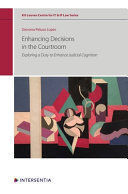
This book explores possible ethical justifications for a moral duty for judges to enhance their cognition and examines how this duty sits within the existing legal framework on judicial liability, professional duties, and human rights. The impetus behind this inquiry stems from the realization, substantiated by a wealth of empirical evidence, that judges are susceptible to various implicit biases, which can subtly shape their perceptions, judgments, and decision-making processes throughout various stages of legal proceedings. Despite posing a threat to the impartiality and accuracy of judicial decisions, implicit biases remain largely unaddressed within the judiciary. Existing substantive and procedural rules designed to prevent arbitrary, partial, or inaccurate legal decisions primarily focus on the explicit manifestations of biases, neglecting to adequately address the negative effects of biases that operate beneath the level of consciousness, and which are not subject to direct introspection. Considering the profound impact of judicial decision-making for litigants and society, this book investigates the possibility of enhancing judicial cognition by various methods and technologies, and proposes a normative framework for the cognitive enhancement of judges.