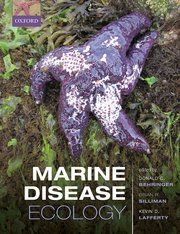
MARINE DISEASE ECOLOGY

MARINE DISEASE ECOLOGY

BEHRINGER, D. / SILLIMAN, B. / LAFFERTY, K.

61,00 €
IVA incluido
Disponible en 1 mes
Editorial:
OXFORD UNIVERSITY PRESS
Año de edición:
2020
Materia
Zoología - biología
ISBN:
978-0-19-882164-9
Edición:
1
61,00 €
IVA incluido
Disponible en 1 mes

SECTION 1: MARINE INFECTIOUS DISEASES AND THEIR ECOLOGICAL ROLES
1: Marine pathogen diversity and disease outcomes, Bateman, Feist, Bignell, Bass and Stentiford
2: Parasites in marine food webs, Mclaughlin, Morton and Lafferty
3: Disease can shape marine ecosystems, Morton, Silliman and Lafferty
SECTION 2: DRIVERS OF MARINE DISEASE
4: Bacteriophage can drive virulence in marine pathogens, Little, Rojas and Rohwer
5: Climate change can drive marine diseases, Burge and Hershberger
6: Pollution can drive marine diseases, Bojko, Lipp, Ford and Behringer
7: Invasions can drive marine disease dynamics, Lohan, Ruiz and Torchin
SECTION 3: DISEASE PROBLEMS AND THEIR MANAGEMENT
8: Disease outbreaks can threaten marine biodiversity, Harvell and Lamb
9: Disease ecology in marine conservation and management, Raymundo, Burge and Lamb
10: Disease in fisheries and aquaculture, Behringer, Wood, Krkosek and Bushek
SECTION 4: WORKING WITH INFECTIOUS DISEASES
11: Diagnosing marine diseases, Frasca, Gast, Bogomolni and Szczepanek
12: Modelling marine diseases, Ben-Horin, Bidegain, de Leo, Groner, Hofmann, McCallum and Powell
13: Future directions for marine disease research, Thurber

Whether through loss of habitat or cascading community effects, diseases can shape the very nature of the marine environment. Despite their significant impacts, studies of marine diseases have tended to lag behind their terrestrial equivalents, particularly with regards to their ecological effects. However, in recent decades global research focused on marine disease ecology has expanded at an accelerating rate. This is due in part to increases in disease emergence across many taxa, but can also be attributed to a broader realization that the parasites responsible for disease are themselves important members of marine communities. Understanding their ecological relationships with the environment and their hosts is critical to understanding, conserving, and managing natural and exploited populations, communities, and ecosystems. Courses on marine disease ecology are now starting to emerge and this first textbook in the field will be ideally placed to serve them.

Artículos relacionados

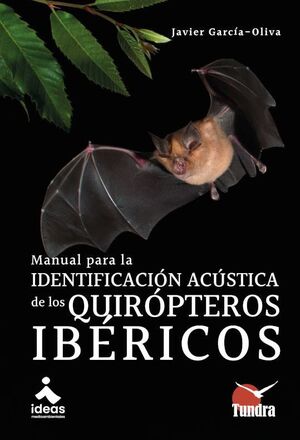
  • MANUAL PARA LA IDENTIFICACION ACÚSTICA DE LOS QUIRÓPTEROS IBÉRICOS
    GARCIA-OLIVA, J.
    Disponible en 1 semana

    35,00 €

  • RAPACES QUE VUELAN EN EL DÍA Y EN LA NOCHE
    BOHRE,P.
    Desde el comienzo mismo de la civilización, las aves rapaces han cautivado nuestra imaginación, a veces reverenciadas como dioses y otras veces temidas como demonios. Las rapaces nocturnas, silenciosas habitantes de las tinieblas, con su canto lúgubre y funerario, fueron vinculadas a menudo con espíritus y otras criaturas malignas; las rapaces diurnas, monarcas del zarco cielo,...
    Reimpresión

    29,90 €

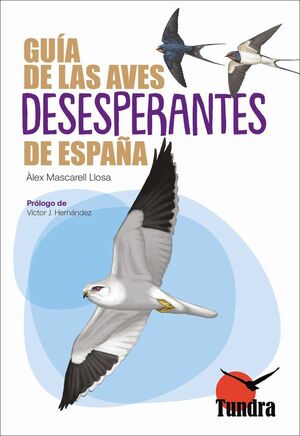
  • GUIA DE LAS AVES DESESPERANTES DE ESPAÑA
    MASCARELL, A.
    Disponible en 1 semana

    28,00 €

  • EL JARDÍN MINERAL
    MARTINEZ, O.
    La atracción que las gemas ejercen sobre el ser humano se remonta a nuestros inicios como especie. Sus colores, sus brillos y su rareza han seducido nuestra mirada y provocado que, desde hace milenios, sean símbolo de todo tipo de virtudes y materialización de tesoros y riquezas. Sus mismos nombres son capaces de transportarnos a lugares lejanos y de evocarnos historias fabulos...
    Disponible en 1 semana

    12,95 €

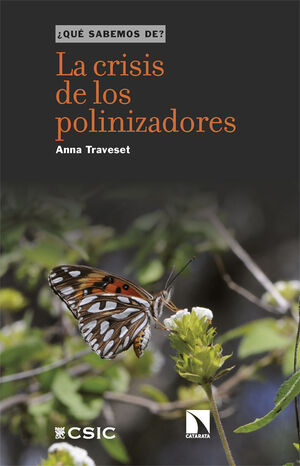
  • LA CRISIS DE LOS POLINIZADORES
    TRAVESET,A.
    Dentro de la crisis de biodiversidad que está sufriendo el planeta, la de los polinizadores se plantea como un grave problema contra el que hay que luchar desde diversos frentes. La creciente pérdida de estas especies, que son esenciales para preservar la biodiversidad y para nuestro propio bienestar, pone en riesgo la seguridad alimentaria, la salud humana y los esfuerzos por ...
    Disponible en 1 semana

    13,00 €

  • GUIA DE IDENTIFICACIÓN DE LAS PLUMAS DE LAS RAPACES DIURNAS DE LA PENÍNSULA IBÉRICA, BALEARES Y CANARIAS
    FERNANDEZ PERO, P.
    Esta guía trata por extenso y en profundidad la identificación de las plumas de las aves rapaces diurnas de la Península Ibérica, Baleares y Canarias. Cubre un total de 31 especies, entre ellas todas las de presencia regular, así como varias rarezas de presentación ocasional. A través de una cuidada selección de cerca de 3.000 fotografías de alta calidad, se muestran los detall...
    Disponible en 1 semana

    80,00 €